We’re excited to share that our research on wireless security was featured at ACM MobiCom 2025, one of the top international conferences in mobile computing and networking. Our lab contributed to two papers that explore new frontiers in RFID security and radio frequency fingerprinting.
Uncovering Hidden Vulnerabilities in RFID Systems
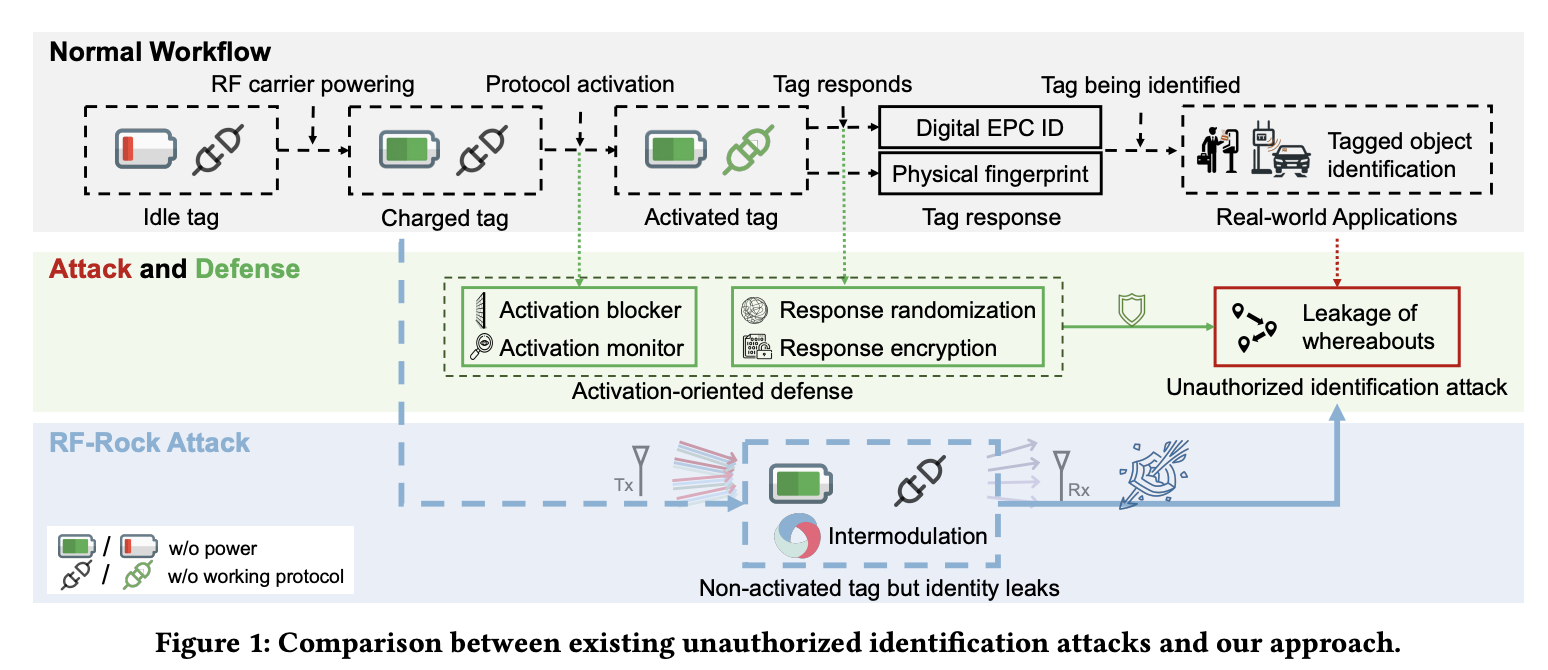
In collaboration with researchers from Peking University, MIT, and Zhejiang University, our lab director Dr. Yin Chen co-authored “RF-Rock: An Intermodulation-based RFID Unauthorized Identification Attack without Tag Activation.”
This work reveals a surprising vulnerability in RFID systems that we use every day in access cards, inventory tracking, and smart devices. The research shows how attackers could potentially identify RFID tags without actually activating them, using what are called “intermodulation signals” that occur when multiple radio frequencies interact.
What makes this finding particularly concerning is that it bypasses traditional security measures. While most RFID security assumes attackers need to activate tags to read them, our research demonstrates this isn’t always necessary.
Improving Device Identification with Smarter Algorithms
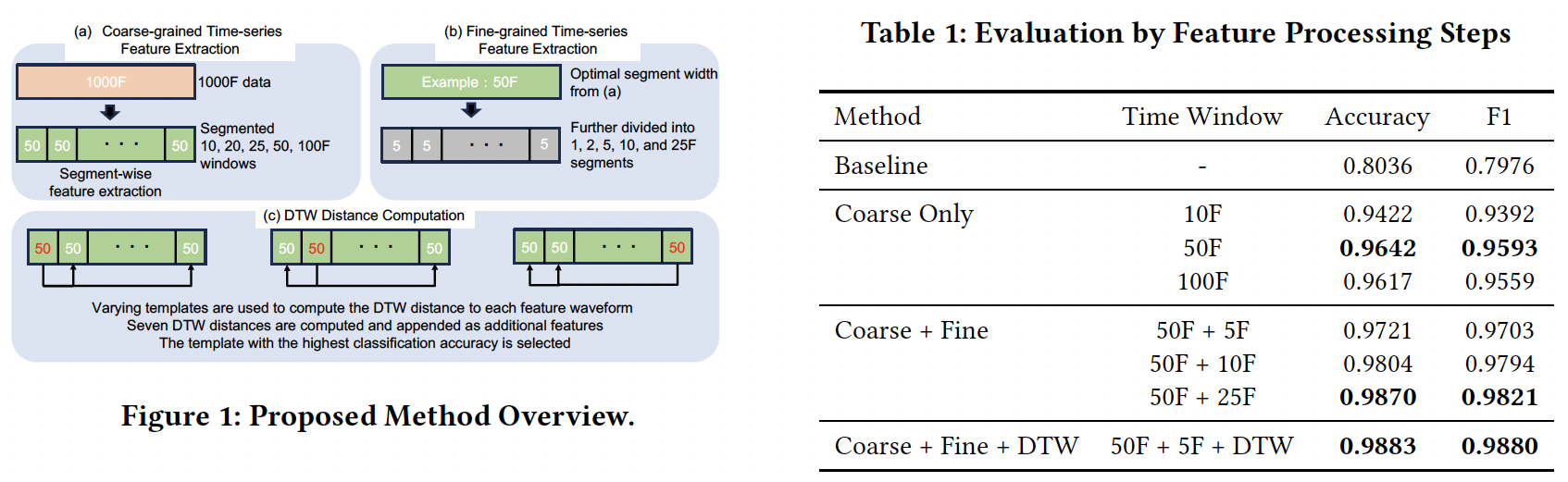
In our second contribution, we worked with researchers from Nara Institute of Science and Technology and Tokyo Denki University on “Evaluating Effectiveness of Temporal Features and DTW Distance for Radio Frequency Fingerprinting.”
This project tackles a fundamental challenge in IoT security: how to reliably identify devices based on their unique radio frequency “fingerprints.” Instead of looking at static features, we analyzed how signals change over time and used Dynamic Time Warping (DTW) - a technique that’s really good at comparing patterns that might vary in speed or timing.
The result? More accurate device identification that works well even in noisy real-world environments. This could lead to better security systems that can spot unauthorized devices trying to connect to networks.
Why This Matters
ACM MobiCom brings together leading researchers from around the world to share breakthroughs in mobile and wireless technologies. Having our work selected for this conference reflects the quality and relevance of our research agenda.
As Dr. Chen noted, “These projects demonstrate our commitment to understanding real-world security challenges in connected systems. By identifying new vulnerabilities and developing better detection methods, we’re helping build safer IoT ecosystems for everyone.”
What’s Next
Building on these results, we’re continuing to explore RF fingerprinting for applications like drone detection and developing more efficient security protocols for resource-constrained IoT devices.
For those interested in the technical details, the full papers are available through the ACM MobiCom 2025 proceedings. If you’re a student interested in working on these kinds of challenges, we’d love to hear from you!
Stay tuned for more updates from our lab!